
Headstart
Headstart aims to bring recognition to the importance of headwater catchments in driving nature recovery across England and Wales.
Working across the water sector, Headstart aims to bring recognition to the importance of headwater catchments in driving nature recovery across England and Wales.
Focusing on smaller, upstream freshwater habitats, the project takes a targeted, cost-effective, scalable approach to improve water quality, rapidly restore biodiversity and strengthen ecosystem resilience.
Headstart is a cross-sector collaboration led by Anglian Water and Freshwater Habitats Trust, aiming to kickstart nature recovery by improving awareness, funding and legislative support for headwater catchments.
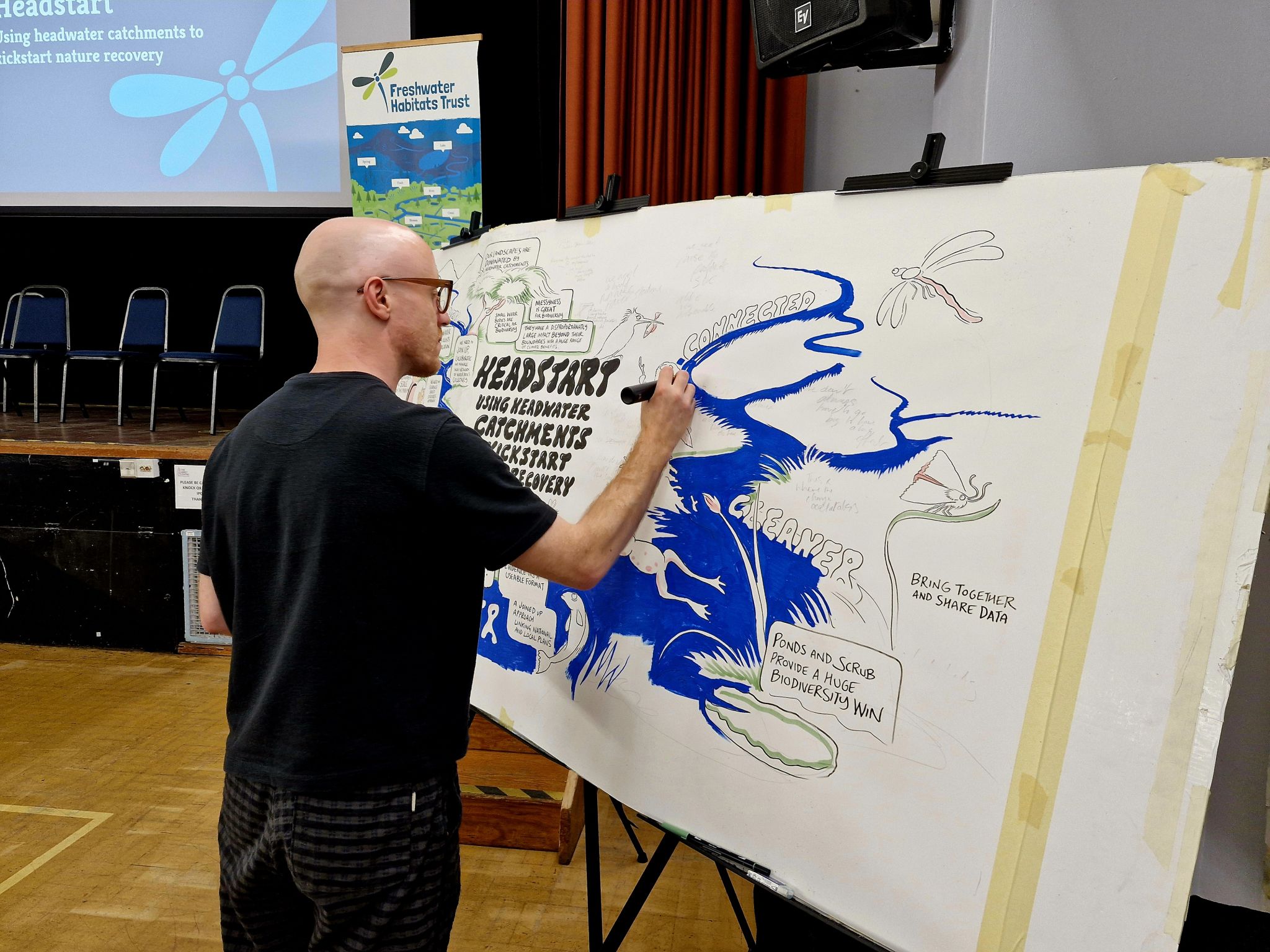
Thinking small
Traditional restoration approaches, focusing on larger rivers, are struggling to make headway against pervasive pollution from multiple upstream sources.
Headstart aims to take a new approach, harnessing the power of headwater streams, and their associated ponds and wetlands, to kickstart nature recovery.
Who
The Headstart approach has been developed by Freshwater Habitats Trust and Anglian Water, with input from a range of partners.
Where
Headstart is looking to change how headwarter catchments are monitored and restored across the whole of the UK. Notably, the project is looking to adapt the Water Framework Directive (WFD), the Environment Act and broader water frameworks.
Headstart conference 2025
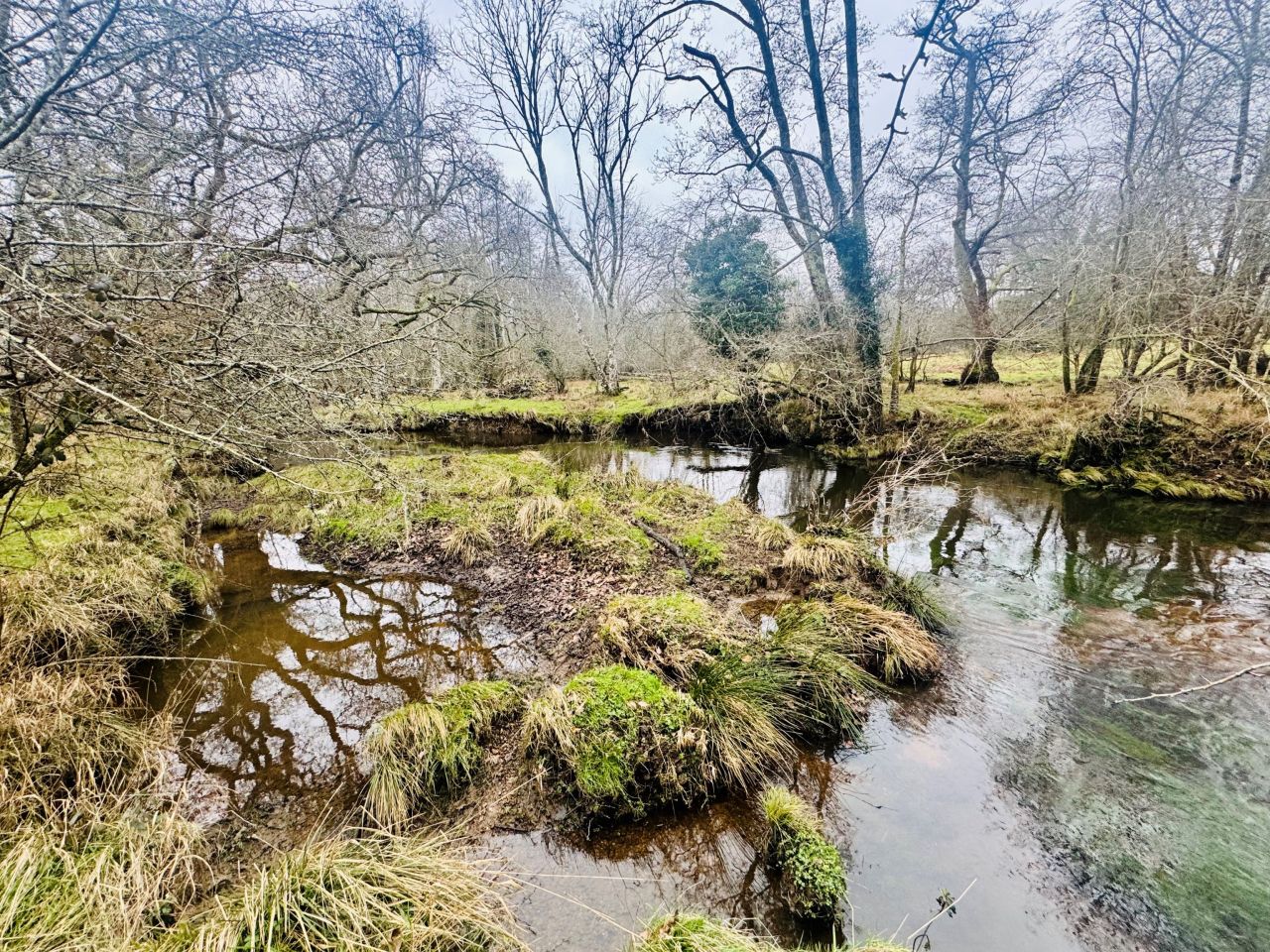
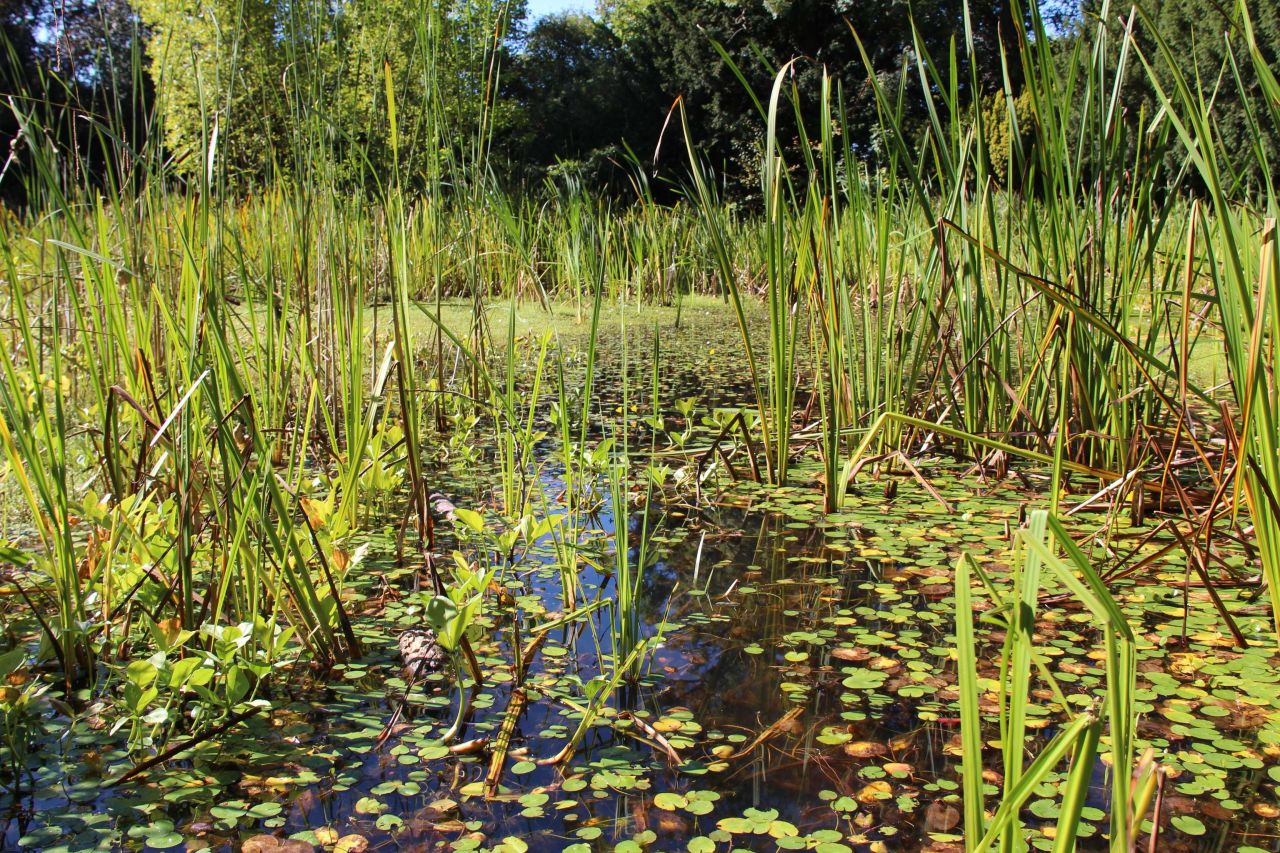
An example of a headwater catchment
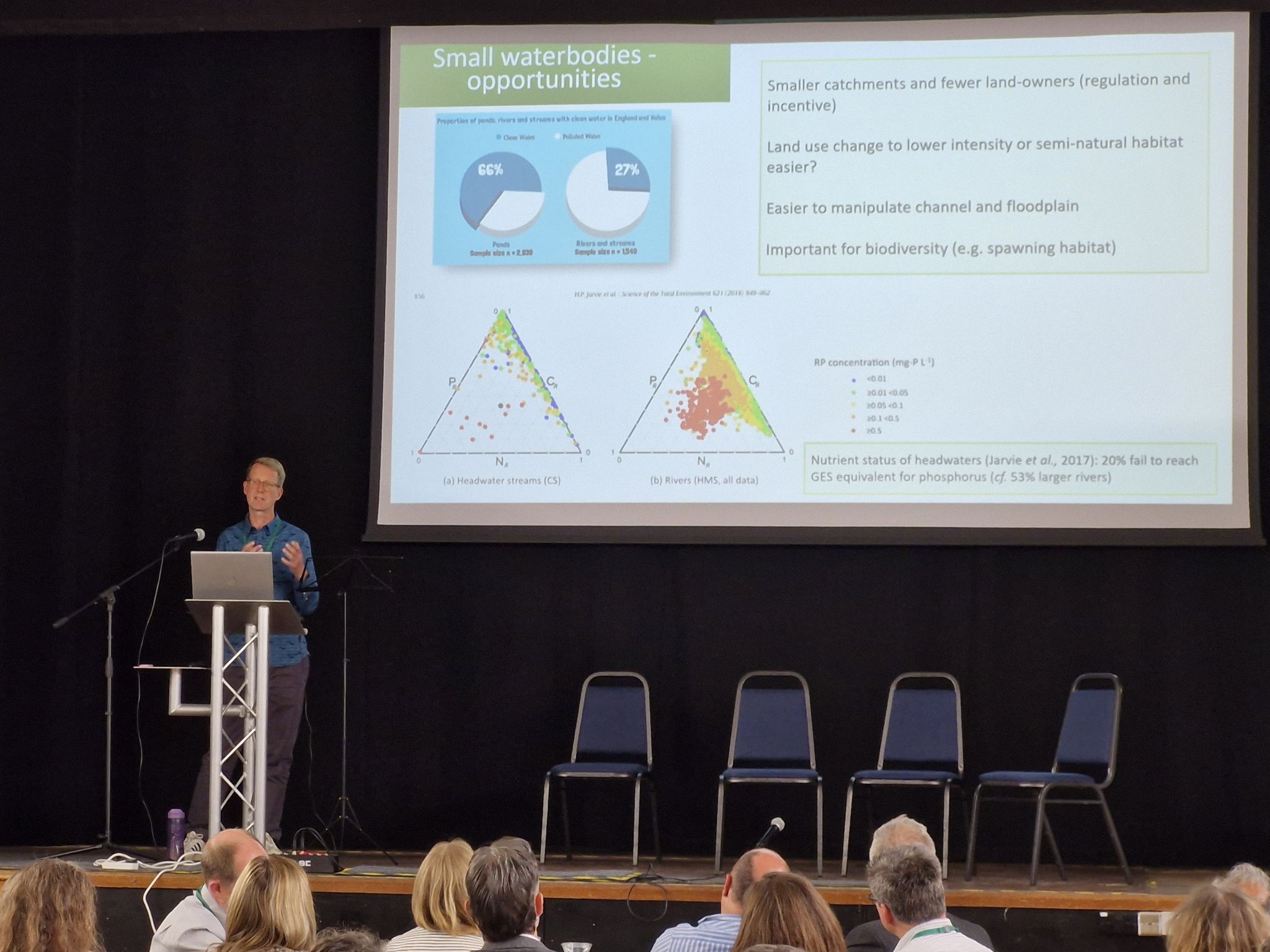
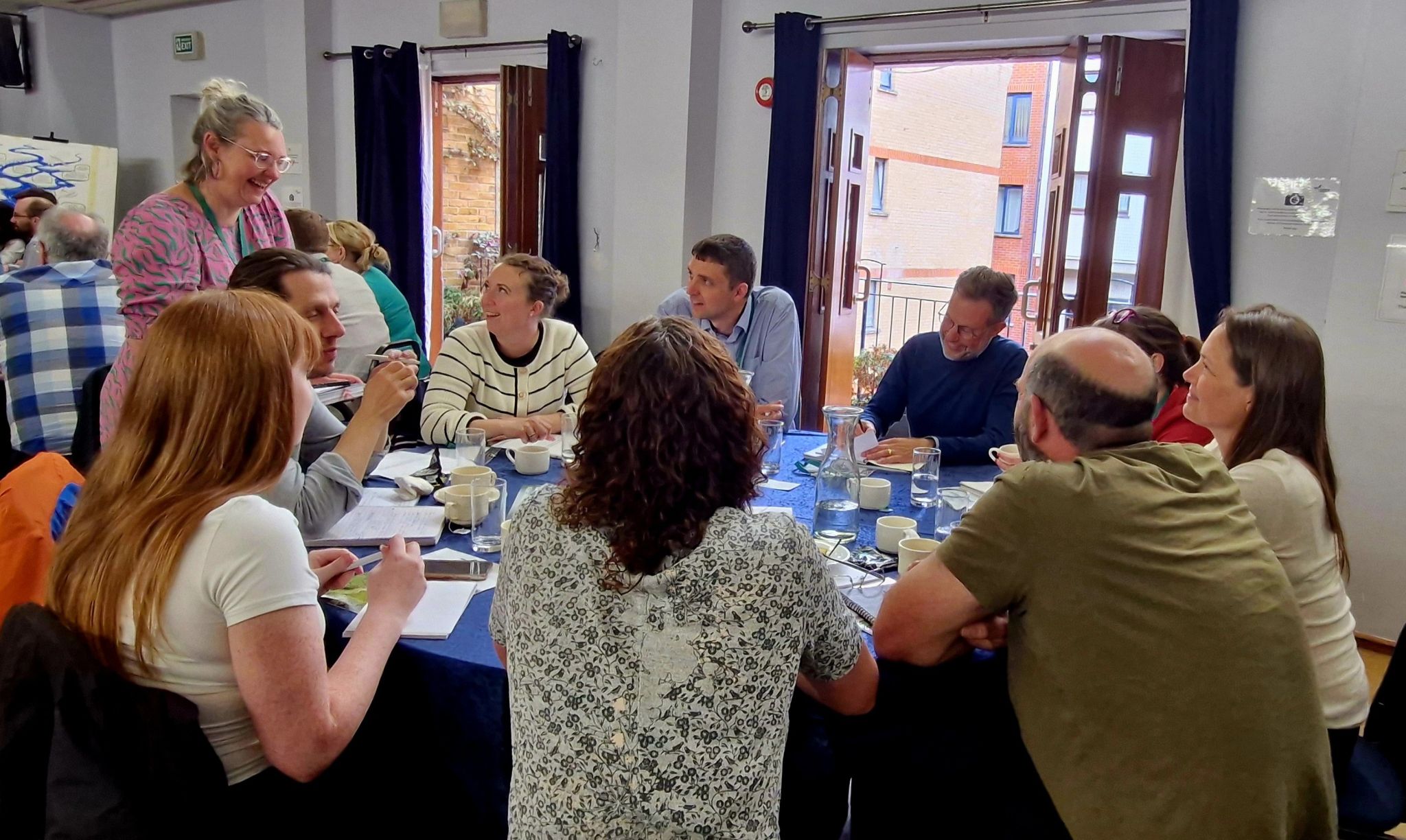
Dr Stewart Clarke of the National Trust presenting at the Headstart conference, May 2025.
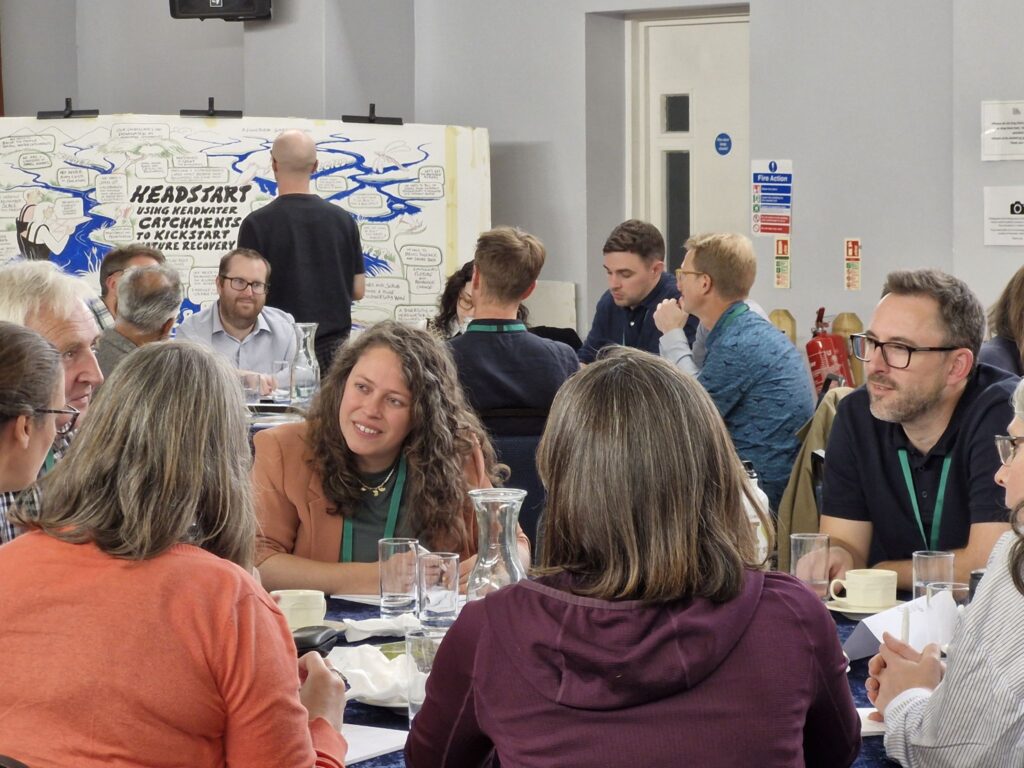
Headstart conference 2025

“Headstart focuses on re-establishing pristine networks of freshwater habitats
within headwater catchments, by mitigating wastewater and agricultural
pressures, restoring headwater streams and wetlands, and creating clean
water ponds.”
Freshwater Habitats Trust
How it started
- In 2024, Freshwater Habitats Trust was commissioned by Anglian Water to conduct an evidence review examining the regulatory framework for smaller waters, and the policy, social, technological and environmental context in which the framework exists, as part of the CaSTCo project.
- The evidence review drew on existing literature, and a roundtable workshop with experts from academia, regulatory bodies, eNGOs and the water industry.
- Headstart was created following this review, recognizing the need for policy change and management processes to include headwater catchments.

Why headwaters?
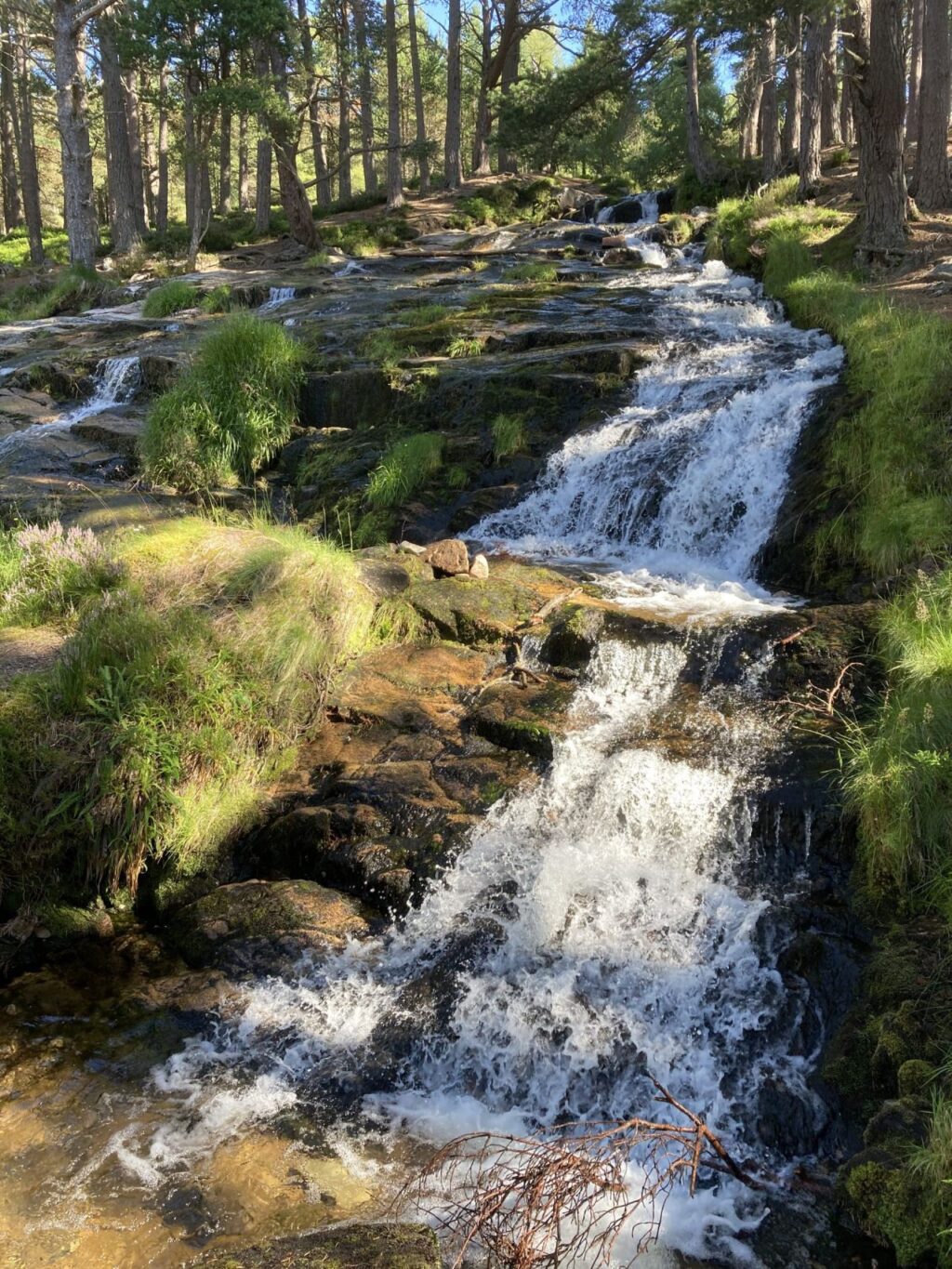
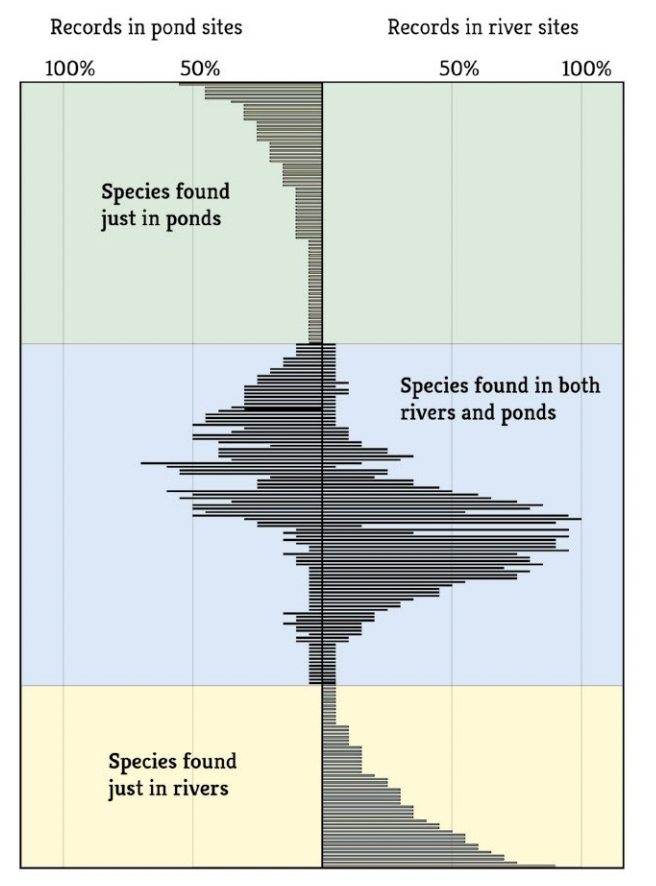
More than half of England and Wales is covered by headwater streams and their catchments. These vital areas possess the power to spearhead nature recovery and bring about enduring change.
- Headwaters are sources of resilience – networks of unpolluted headwater habitats can act as refuges for sensitive plants and animals.
- Headwaters are easier to restore – their small catchments mean pollution sources are fewer, more identifiable and easier to manage.
- Headwaters are a visible success story – improvements can be seen quickly and demonstrate the effectiveness of well-targeted investments and rebuilding public trust.
- Headwaters are essential – water quality and biodiversity increase through the creation of ponds, smaller wetlands and wetter landscapes.
- Headwaters are often overlooked – large rivers remain the primary focus of legislation, making it harder to deliver rapid improvements in the health of the water environment.
Policy in focus
Amending current legislation, notably the Water Framework Directive, is a powerful way to promote the uptake of the Headstart approach.
Here are some changes to employ the Headsmart approach:
- Water Framework Directive: A national approach that, if amended, could be used to drive progress across the whole water environment. See details below.
- The Environment Act: Establish a target to “create or restore wildlife-rich open water and river habitats’ and amend the wastewater target to focus on all impacts of sewage pollution instead of just the volume of pollution emitted.
Water sector regulatory framework: Diverting investment within the water sector (more than $20 billion in AMP8) from mitigation of wastewater pressures in rivers and lakes to environmental improvements.
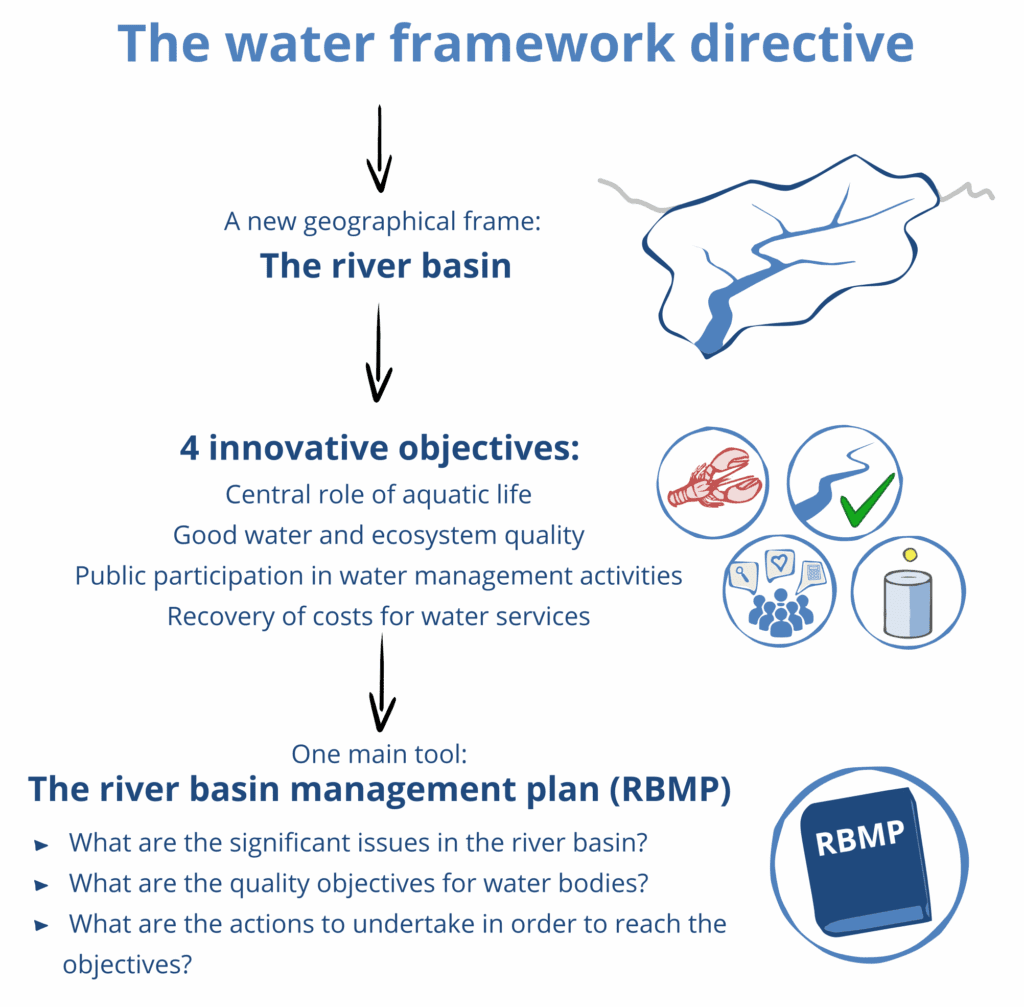
The Water Framework Directive (WFD)
- The Water Framework Directive (WFD) protects surface waters, including rivers, lakes, transitional waters, coastal waters, and groundwater, by requiring Member States to protect and restore water bodies in order to reach ‘good status’ and prevent deterioration.
Although an EU directive, the WFD remains part of UK law post-Brexit. The WFD is the primary law for water protection in Europe, ensuring an integrated approach to water management based on a river basin district approach. - What needs to be updated: The WFD overlooks standing waters of more than 50 hectares, and bundles headwater streams with downstream waterbodies. This presents a missed opportunity to promote the restoration of freshwater networks through the power of ponds, headwaters and other small waters.
- Why it matters: If amended, the WFD could be used to drive progress across the whole water environment.
Recommendations for the WFD
- Incorporate standing waters less than 50 hectares into monitoring and management, enabling management of ponds and other small freshwater habitats as networks, through an existing WFDR mechanism known as ‘System B‘.
- Mandate stratified monitoring of headwater reaches within existing waterbodies, identify headwater-specific pressures, and set headwater restoration actions within River Basin Management Plans.
- Offer catchment partnerships a clear role in the management of the entire network of freshwaters, including restoration/creation of standing waters and wetlands.
Small catchments, big ideas
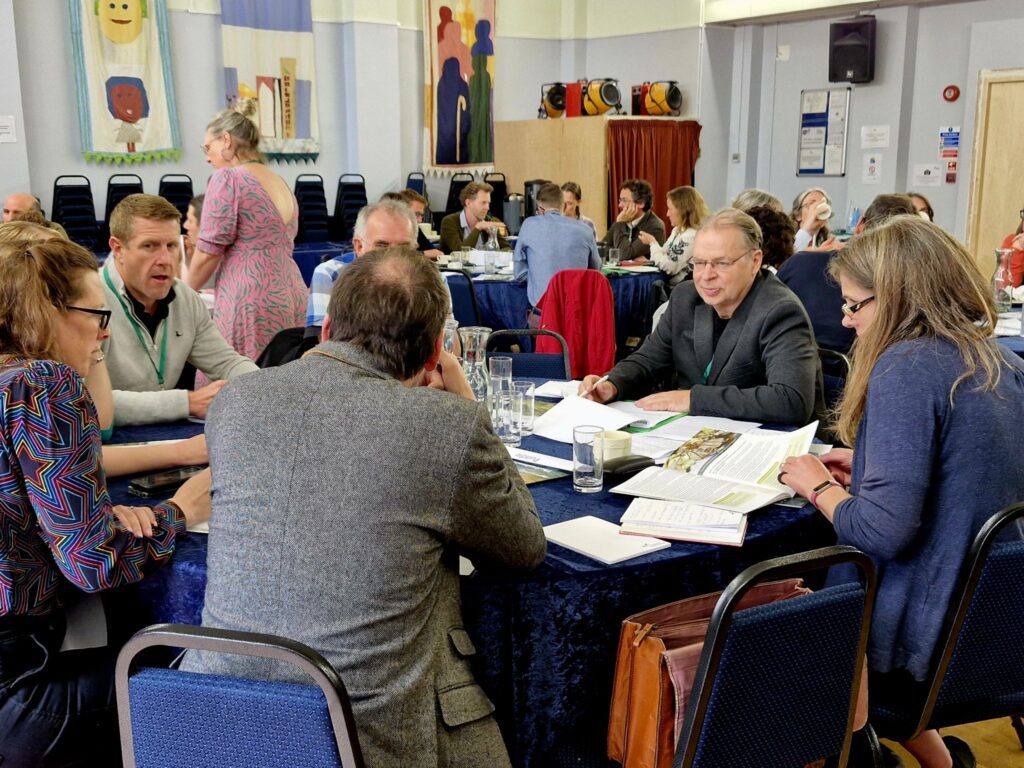
- On May 22, 2025, Freshwater Habitats Trust hosted the first Headstart conference in Westminster, bringing together leaders from the water industry, environmental sector and freshwater science community.
- The conference marked a collective agreement and excitement about the potential to improve the water environment by focusing on small headwater catchments.
- Professor Jeremy Biggs, CEO of Freshwater Habitats Trust said: “When we talk about cleaning up our water system, people usually think of pollution in big rivers. But our evidence shows that cleaning up small catchments at the top of the river network could transform the water environment.

Headstart and CaSTCo
A common goal: Stakeholders from across multiple sectors and disciplines are coming together to address a common goal.
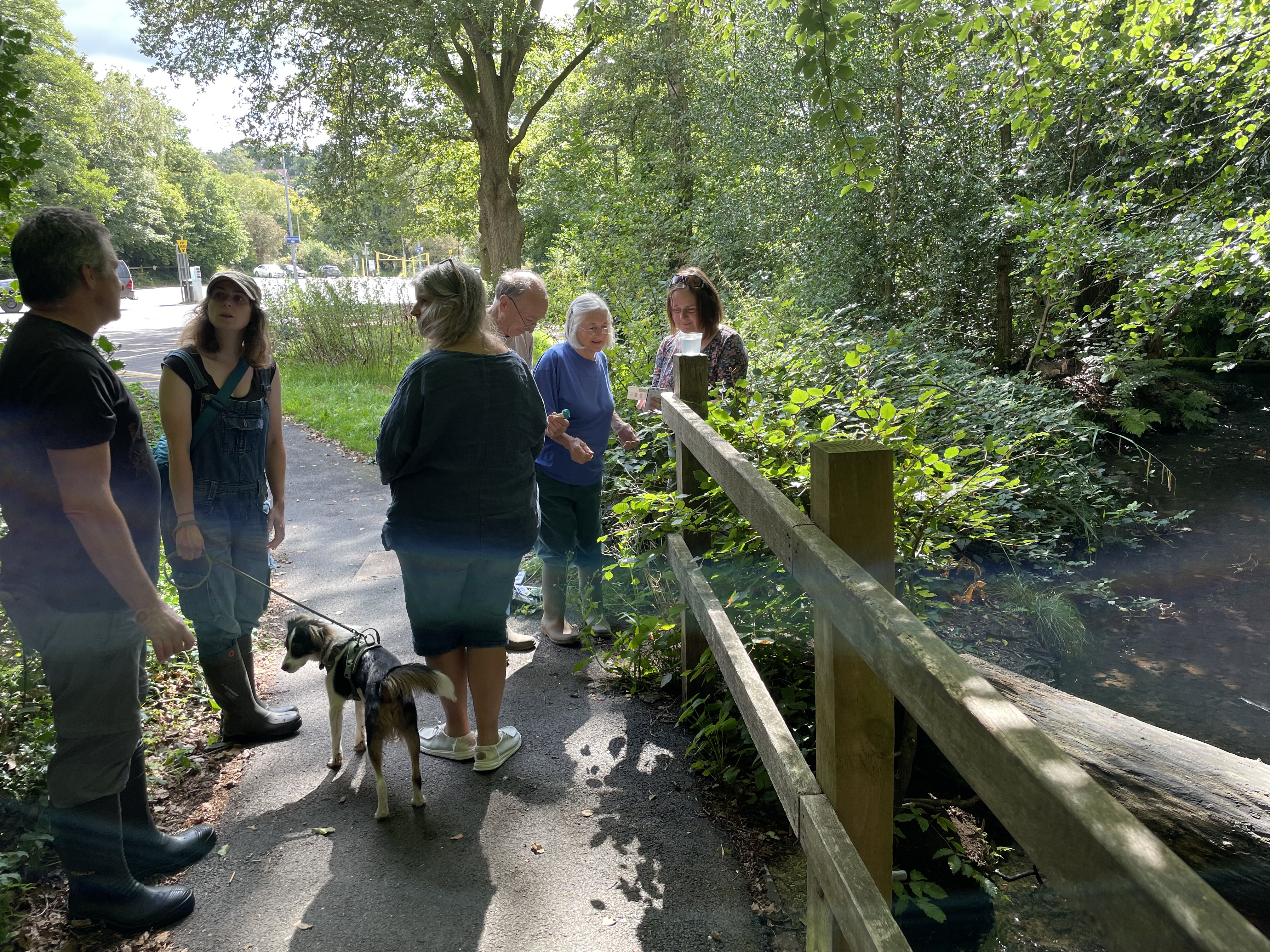
Thought leadership: The project is based on the protection of the whole water environment. Citizen scientists could play a powerful role in tracking pollution sources, and identifying headwater catchments where the Headstart approach could be implemented.