
RiverBlitz: informing holistic monitoring and action
Ribble Rivers Trust uses the ‘RiverBlitz’ approach to collecting environmental data, where volunteer groups come together in a fast-paced event to collect water quality data, habitat information and biological records of riverine insects, providing a catchment-wide assessment of river health. This citizen science data, collected in a standardized format, directly informs strategic decisions for targeted environmental improvements and interventions in the areas that need them most. The challenge: organisational capacity and collaboration RiverBlitzes show how Ribble Rivers Trust (RRT) can have the greatest impact in identifying, reporting and remediating the challenges facing our bathing waters. RiverBlitzes address capacity issues by optimizing…
Ribble Rivers Trust uses the ‘RiverBlitz’ approach to collecting environmental data, where volunteer groups come together in a fast-paced event to collect water quality data, habitat information and biological records of riverine insects, providing a catchment-wide assessment of river health.
This citizen science data, collected in a standardized format, directly informs strategic decisions for targeted environmental improvements and interventions in the areas that need them most.
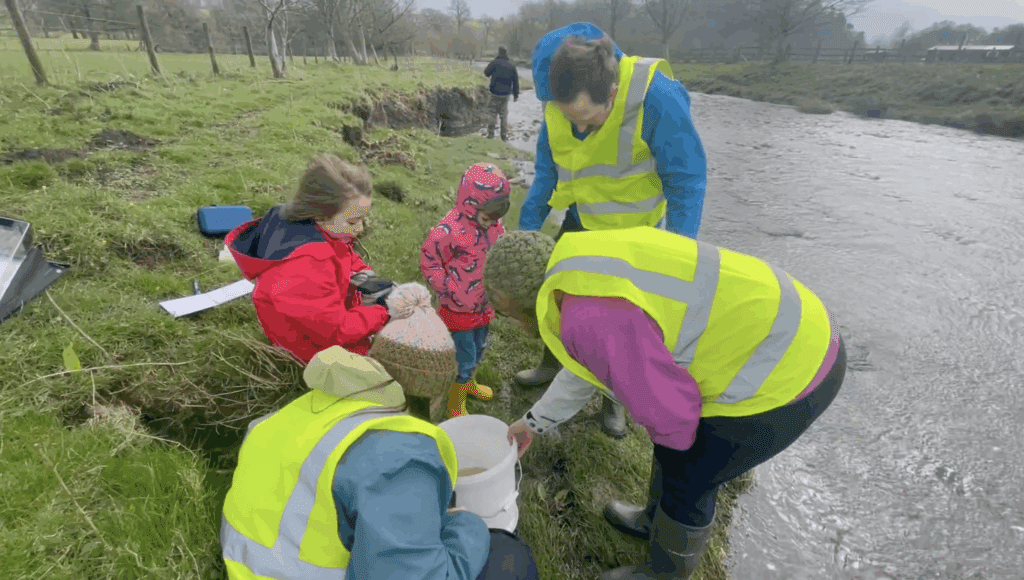
The challenge: organisational capacity and collaboration
RiverBlitzes show how Ribble Rivers Trust (RRT) can have the greatest impact in identifying, reporting and remediating the challenges facing our bathing waters. RiverBlitzes address capacity issues by optimizing resource allocation and partner collaboration for effective remediation.
Who
This project is supported by a network of dedicated organizations:
- Ribble Rivers Trust – Project lead
- Environment Agency – Regulatory oversight, policy integration
- The Rivers Trust – Data dashboard and collaborative monitoring support
- United Utilities – Partner utility
- Local partners, citizen scientists and farmers
Where
The River Ribble is one of longest and most diverse rivers in the UK, covering over 750 square miles and containing more than 3,479 miles of watercourses. In addition to the Ribble, RRT look after the Calder, Hodder, Darwen, and Douglas sub-catchments.

Going over the data from a recent RiverBlitz

Our volunteers our in the field

Finding an European Bullhead on one of our RiverBlitzes

Taking local school children out to one or our catchments


How a RiverBlitz works
- Volunteers and citizen scientists are brought together for a training session.
- Groups are dispatched to specific catchment sites to record data, including water chemistry, riverbank and in-channel habitat conditions, and to collect a water sample and a sample of the aquatic invertebrate community.
Volunteers use:
- Extended Riverfly for identifying aquatic creatures and assessing water quality and silt & flow conditions
- A bespoke habitat survey, in line with what RRT staff use
- Hanna Pocket Phosphate Checker
- Hanna ammonia checker: HI-700 Ammonia Low Range Colorimeter – Checker HC (0.00 to 3.00ppm),
- Hanna pH, temperature, electrical conductivity and total dissolved solids probe: HI-98129 Pocket EC/TDS and pH Tester, Low Range,
- R-cards to test for E.coli: R-CARD® EC – E. Coli – Rapid Test – Accurate Count – Pack of 100 – Roth Biosciences, LLC
- Hanna turbidity meter: HI-93703-11 Portable ISO Compliant Turbidity Meter with Data Logging and PC Connectivity
- This information tells Ribble Rivers Trust (RRT) about river health across the catchment and how it varies.
- Following these results, RRT can determine what potential issues may be, where they are coming from, how to remediate the problems, and who to involve.


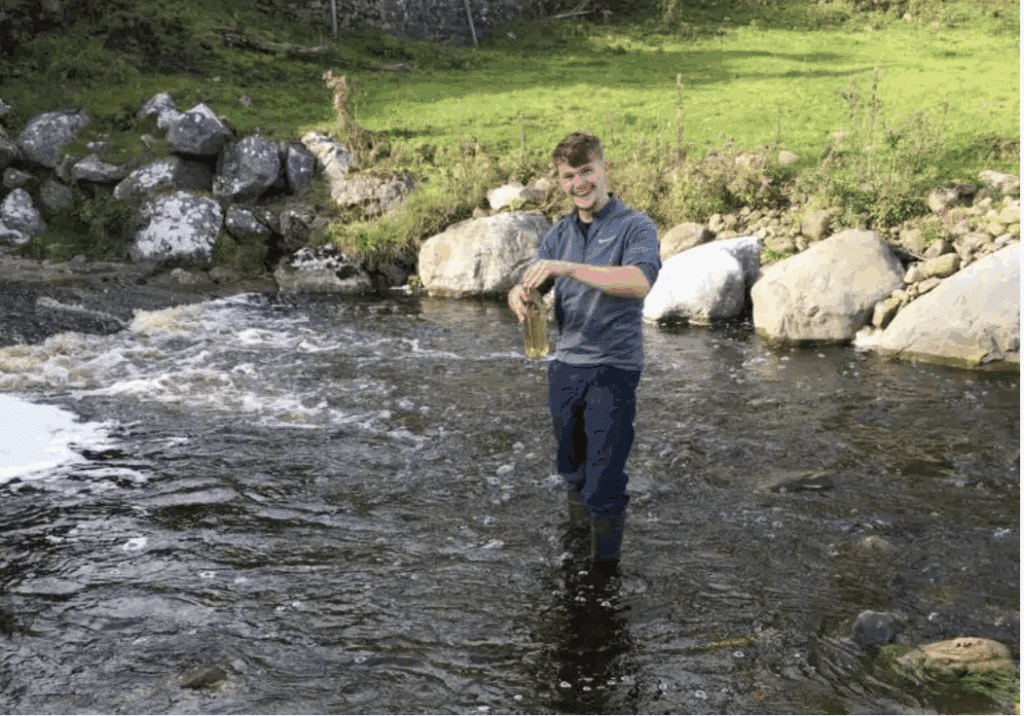
Gaining confidence from CaSTCo:
One of the greatest benefits to joining CaSTCo has been learning from other groups and gaining confidence in different methods and techniques. Inspired by the CaSTCo quarterly meetings and numerous demonstrations, we are now:
- Using R-Cards, which provide an indication of where issues with faecal pollution exist in a catchment, following a CaSTCo demonstration in Wales.
- Widely adopted the Hanna phosphate and ammonia checkers following an Anglian Study comparing the effectiveness to those from expensive lab analyses
- Developed an internal “how-to” guide for RRT staff and Citizen Scientists to ensure consistent instructions and processes are used by all, leading to more confidence in the results
Evidence-informed decision making
Data collected through our RiverBlitzes is challenging our own and partners’ assumptions, guiding us to refine our recommendations for catchment improvements. For instance, significant water quality issues were anticipated downstream of a sewage works in the Upper Ribble subcatchment. However, RiverBlitz data revealed there to be no significant difference in water quality downstream vs. upstream of the works.
This unexpected finding led us to advise United Utilities, who were planning on significant investment in sewage treatment works infrastructure, to consider nature-based solutions (NBS) in areas that our RiverBlitz data showed could most benefit from them, utilizing the limited resources available and providing greater return on investment.
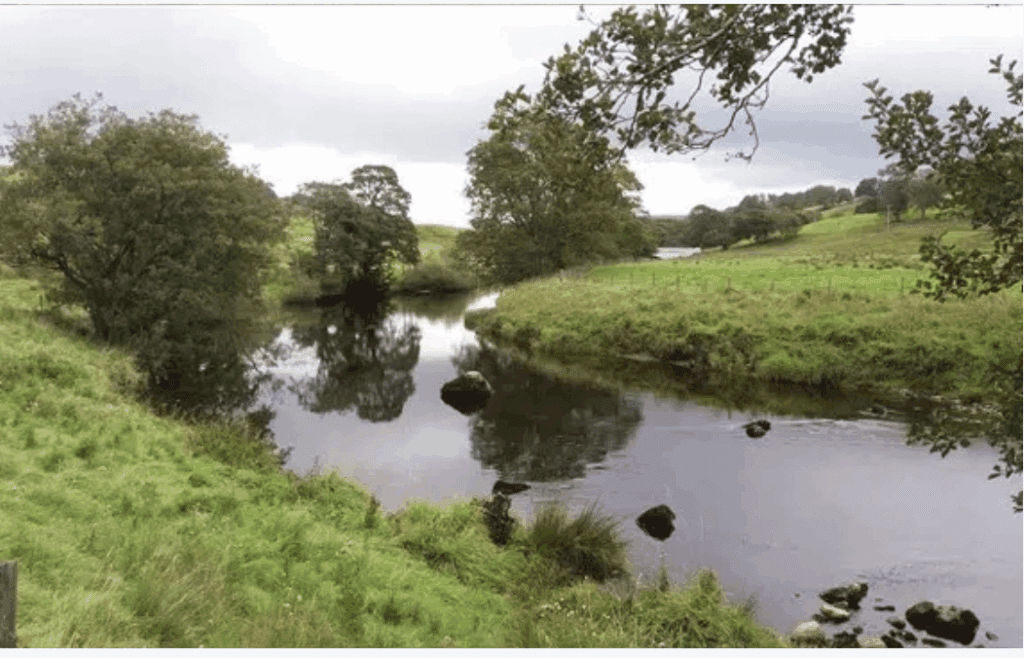
The River Loud Catchment
In 2024, Ribble Rivers Trust (RRT) expanded it’s Citizen Science work into the River Loud Catchment, a tributary of the River Hodder near Great Mitton. The Trust have been monitoring the catchment for a long time and have identified baseline issues with phosphates and flooding, which have led to multiple successful interventions.
A local community group is now helping the Trust to monitor water quality across the catchment with the use of water quality kits, in locations that previously could not be monitored by the Trust due to time constraints. This is complementing the Trust’s ongoing monitoring that is being carried out by staff, helping to generate a more complete picture of catchment health and the impacts of RRT’s work with local landowners to remedy pressures acting on the rivers.
In the first four months of this project, volunteers have flagged potential issues that were previously unknown or suspected but unmonitored. As the project proceeds, we plan to further train the volunteers in Riverfly Monitoring and in using R-cards.
Growing Together with RiverBlitz
- Internal collaboration and data sharing
- Team collaboration: Working across all Ribble Rivers Trust teams to discuss the potential issues identified and plan the actions required to further investigate or address them.
- Team collaboration: Working across all Ribble Rivers Trust teams to discuss the potential issues identified and plan the actions required to further investigate or address them.
- Partnerships with the Environmental Agency and United Utilities
- Environment Agency: The EA conducts weekly water sampling at the inland Bathing Water at Edisford Bridge, which is currently failing in terms of bacterial concentrations. The RiverBlitz data is being used to narrow down where that bacteria might be coming from, and to help direct additional monitoring by the EA.
- United Utilities: RiverBlitz data has been used to engage with United Utilities over whether infrastructure upgrades, nature-based solutions, or a mixture of the two are most likely to improve water quality downstream of their sewage treatment works, based on the water quality issues that were/weren’t identified through RiverBlitzes.
- Environment Agency: The EA conducts weekly water sampling at the inland Bathing Water at Edisford Bridge, which is currently failing in terms of bacterial concentrations. The RiverBlitz data is being used to narrow down where that bacteria might be coming from, and to help direct additional monitoring by the EA.
- Empowering local communities
- Volunteer Development: We’re committed to upskilling our long-term volunteers by offering advanced training opportunities, such as teaching the Extended Riverfly monitoring method.
- Targeted Monitoring: Instead of broad catchment monitoring, we now direct volunteers to specific coordinates to efficiently monitor and address potential issues.
- Volunteer Development: We’re committed to upskilling our long-term volunteers by offering advanced training opportunities, such as teaching the Extended Riverfly monitoring method.


Influencing bathing waters at Edisford Bridge
Thanks to the Ribble Rivers Trust’s Safe to Splash campaign, Ribble Valley residents now have their own designated Bathing Water site! This campaign was a vital step toward improving and understanding water quality for both local wildlife and human communities.
Inspired by CaSTCo, RRT added water quality and chemistry testing to their work in the area. This produced two great results:
- RRT staff and volunteers became excited about water chemistry and less intimidated by testing.
- Local communities found the testing genuinely engaging and looked forward to volunteering.
- The results are helping the Trust, the Environment Agency and United Utilities to home in on sources of pollution that are impacting the health of the Bathing Water.

Lessons learned
- Trial and error is okay: Over time, the efficiency and quality of the data have improved, alongside the team’s confidence in utilizing various tools and methods. Gathering feedback from Citizen Scientists has been a vital part of making these improvements.
- Adapting volunteer training: Initially, volunteers were taught all three monitoring methods over an entire morning, which was found to be too long and resulted in lowered data quality. Now, volunteers sign up to help with either water quality testing and habitat assessments or Riverfly surveys (if already experienced in this) and receive more focussed training for their specific surveys.
- Matching experience: Our previous method of pairing up volunteers by experience (grouping beginners with experienced volunteers) wasn’t always as effective as hoped. Now, the experienced volunteers carry out the more advanced methods and the beginners carry out the analyses that are quicker to learn. But everyone comes together at the end to compare findings, increase interest in getting further involved and boost confidence.
“The value that citizen science brings to understanding pressures on our catchments is absolutely critical. The information that citizen scientists can gather helps to inform on the types of catchment management techniques required to improve water quality. The sampling regime that has been adopted alongside the Ribble Rivers Trust means that locations that would not have been sampled previously, the data is now available which can help build a better picture of the catchment. Through utilising multiple sources of data a greater understanding of how the catchment performs enable better outcomes for the environment and communities that regularly use the water environment.“
– Jennifer Meecham, Lancashire Catchment Manager Wastewater Services, United Utilities
“The Citizen Science data collected through the Edisford Riverblitzes has been invaluable in helping target our own monitoring investigations and regulatory activities. It has helped pinpoint tributaries which are having most impact and enabled us to take targeted action much sooner and more confidently than we would otherwise have been able. I’m certain the collaborative approach taken here will result in better and faster action to improve the water quality at Edisford.”
Helen Dix, Catchment Coordinator, Environment Agency
“The RiverBlitzes bring people together and people actually start to think about what their local environment is about.“
– Pete Walshe, Ribble River Trust volunteer