
Overview of Rapid Assessment of PeriPhyton in Rivers for citizen scientists
A simple, nationally-standardised monitoring technique for filamentous algae monitoring where volunteers examine the algae visible on the river bed at a fixed location, noting the different types present, along with their extent and thickness. The method does not require the citizen scientists to be experts at algal identification or have access to a microscope and most of the basic identification can be undertaken in the field with the aid of a hand lens and bathyscope.
The health of your river using RAPPER-CS is assessed by a combination of the types of algae present and their extent (% cover and thickness). The presence of types of algae that are sensitive to pollution is of particular interest, but the overall abundance is also important.
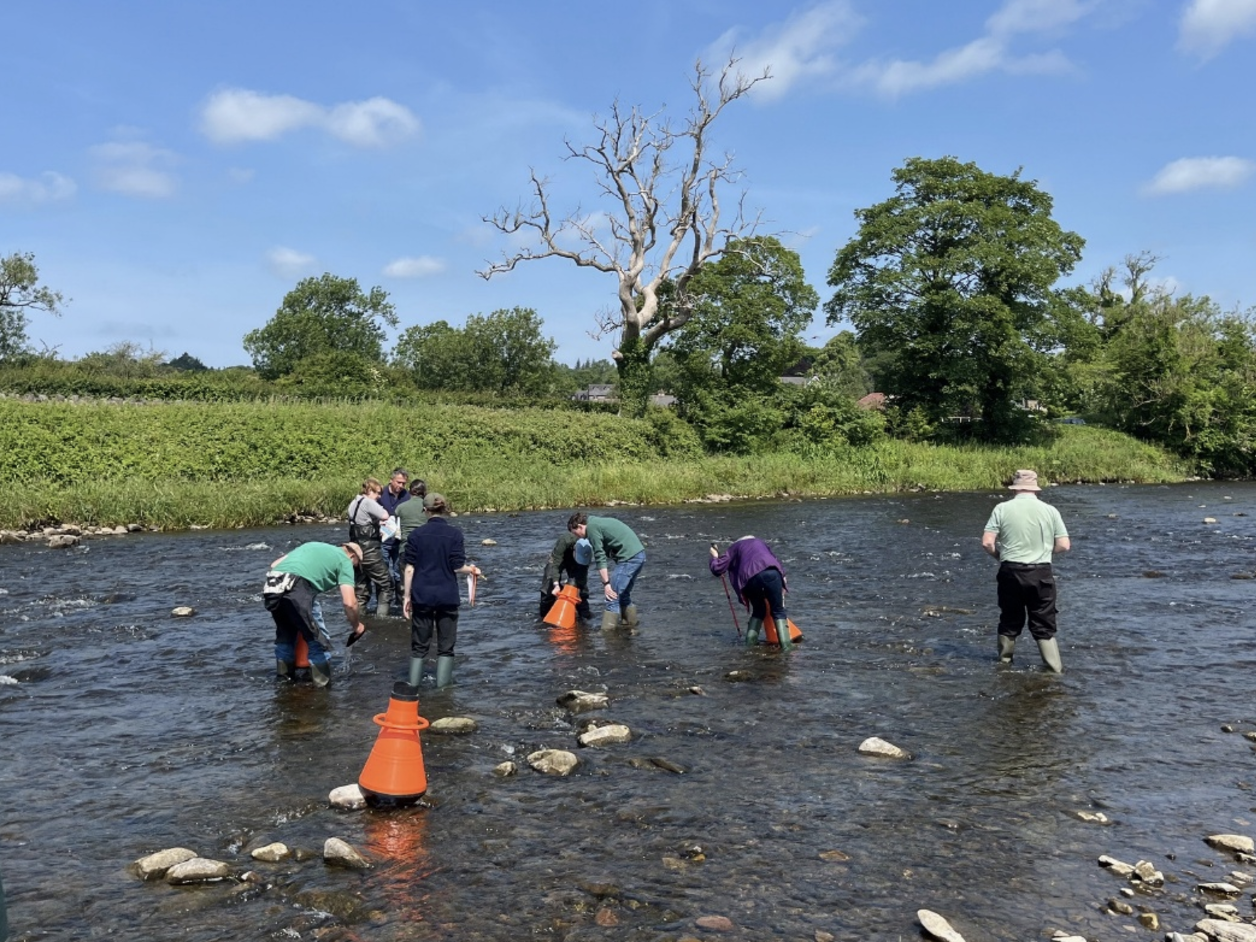
Used alongside routine monitoring data (nutrients, macrophytes and diatoms) from monitoring by EA/SEPA/NRW/NIEA, and other CS monitoring, the RAPPER-CS scheme allows for a more comprehensive assessment of ecological health. RAPPER-CS permits assessments at a greater temporal and spatial intensity than is possible for statutory monitoring and this is extremely important as conditions can change considerably over the course of a summer and between years. The wider role out of RAPPER-CS across the UK is being planned at present, along with the development of a database and national data capture system via an App.
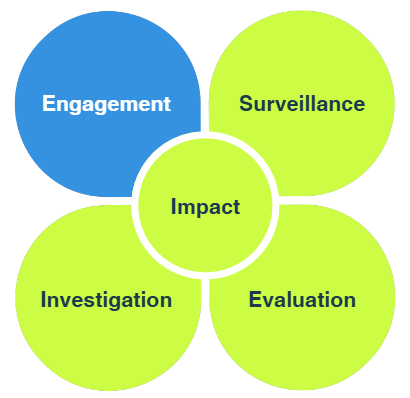

Suitability for monitoring purpose
| Monitoring purpose category | Likely tier(s) What’s this? | Suitability |
| Engagement: Education and raising awareness | 0-1 | ✓ |
| Surveillance: Ecosystem health screening | 1 | ✓✓ |
| Investigation: Helping to target further action | 2 | ✓✓ |
| Evaluation: Assessing the impact of actions | 2 | ✓✓ |
Data system: Currently there is no national data system for RAPPER data storage
Cost: Moderate – costs of bathyscope (£35 to £80) and hand lens (£10 to £30). It is proposed that training and coordination will be covered by local Rivers Trust and Wildlife Trust groups who can fundraise locally.
Ease of use: Volunteers require 1 day of training (half of which is practical at one or more river locations). Local coordinators support volunteers and answer any queries. Surveys take approximately 1-2 hours to complete.
Quality control: National expert and trained local coordinator checks identification and surveying results.
Coverage / scale: Currently in 2025 a pilot scheme across 6 catchments in England and Wales. National rollout with “train the trainer” sessions proposed for 2026.
Health & safety: This is covered as part of the training, and volunteers undertake a dynamic risk assessment each time they go out to survey.
CaSTCo Investment: CaSTCo is reviewing and possible further investment in this method to optimise data quality, ease of use and cost, including rolling out “train the trainer” and investing in data systems.

RAPPER-CS as part of Weight of Evidence
Initial scores from a pilot in 2025 suggest that we can categorise the risk of eutrophication (nutrient pressure) in a stream as “Low”, “Maybe” or “High”. However, algae also respond to other environmental conditions such as flow, temperature, shade and other stressors so collection of other field data including habitat, flow, water quality measurements and invertebrate analyses can help improve ecological health assessments using a Weight of Evidence (WoE) approach. A case study which illustrates the value of combining citizen science data, including RAPPER-CS, together with professionally collected data has been incorporated into the Environment Agency’s Eutrophication WoE decision tool for the Ribble Catchment – Citizen Science in Environment Agency’s eutrophication assessments.